
Published: April 1, 2026 | Last updated: June 20, 2026
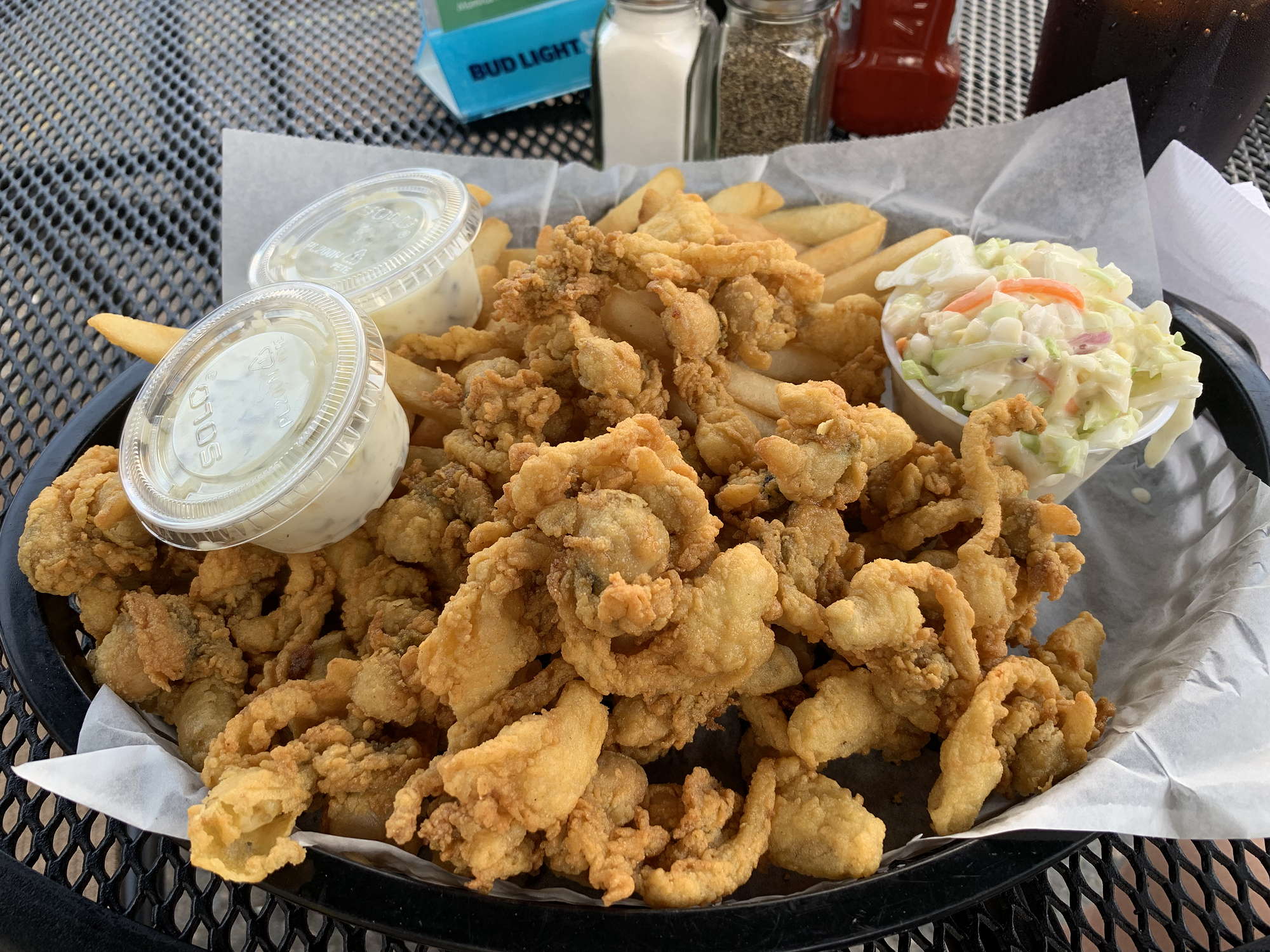
Here’s a breakdown of how fried clams are made, from clam to plate. The process differs significantly depending on whether you’re making whole-belly clams (the classic New England style) or strip clams (often called clam strips).
The Clams
The type of clam is the first major decision.
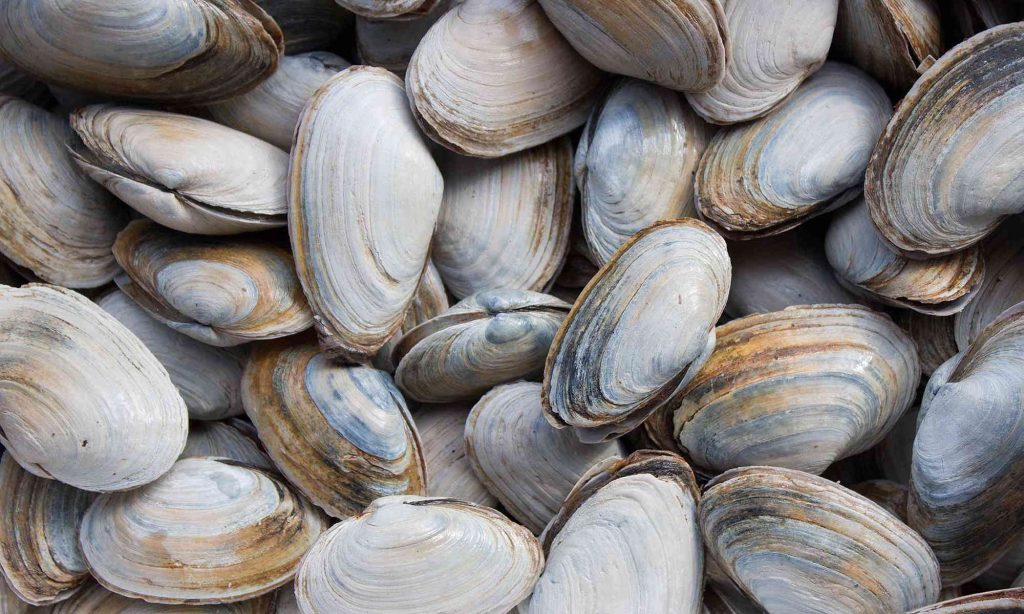
- Whole-Belly Clams: These are typically small, tender soft-shell clams (Mya arenaria), often called “steamers.” The name “whole-belly” means the entire clam—including the dark, soft stomach and the neck (siphon)—is fried. This style is prized for its intense, briny flavor and contrasting textures: a crispy exterior with a soft, creamy interior.
- Clam Strips: These are made from the tough neck (siphon) of larger hard-shell clams (like quahogs or littlenecks). The neck is the only part used. It’s cleaned, tenderized, and cut into long strips. This style has a milder, sweeter flavor and a firmer, chewier texture.
The Preparation
This is the most crucial step for quality fried clams.
• For Whole-Bellies:
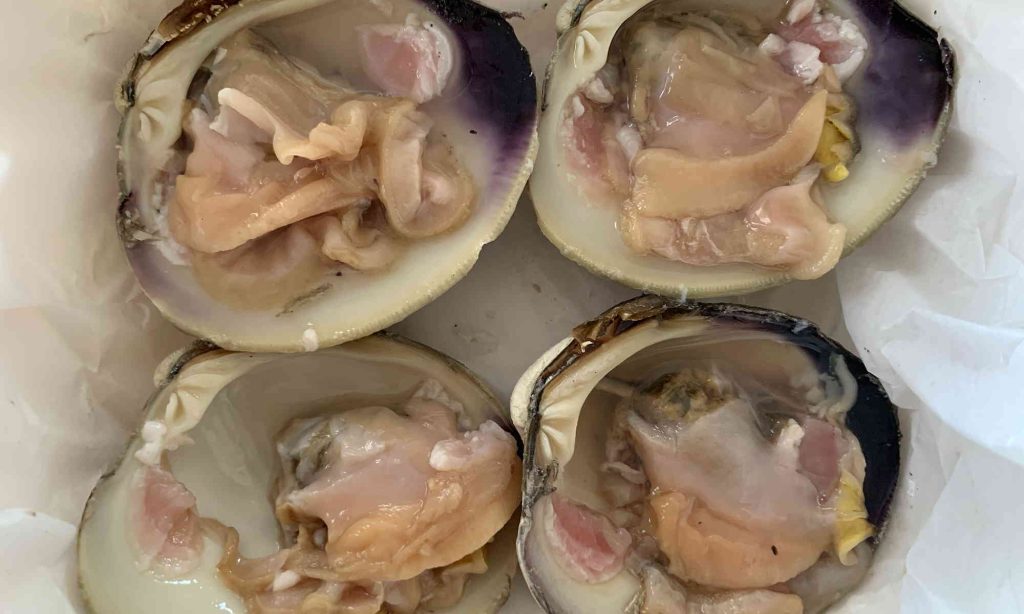
- Purge: The clams are soaked in salt water to expel sand and grit.
- Shuck: Each small clam is opened, and the meat is removed. The “belly” is left intact.
- Drain: The shucked meats are placed in a colander to drain excess liquid. If they are too wet, they will cause the breading to fall off and cause dangerous splattering when frying.
• For Strips:
- Shuck & Clean: The large hard-shell clams are shucked.
- Separate: The tough neck (siphon) is separated from the rest of the body (the belly, which is often used for chowder).
- Tenderize: The necks are either pounded with a mallet or run through a mechanical tenderizer to break down the tough muscle fibers.
- Slice: The tenderized necks are sliced into uniform strips, about 2-3 inches long and ½ inch wide.
The Breading
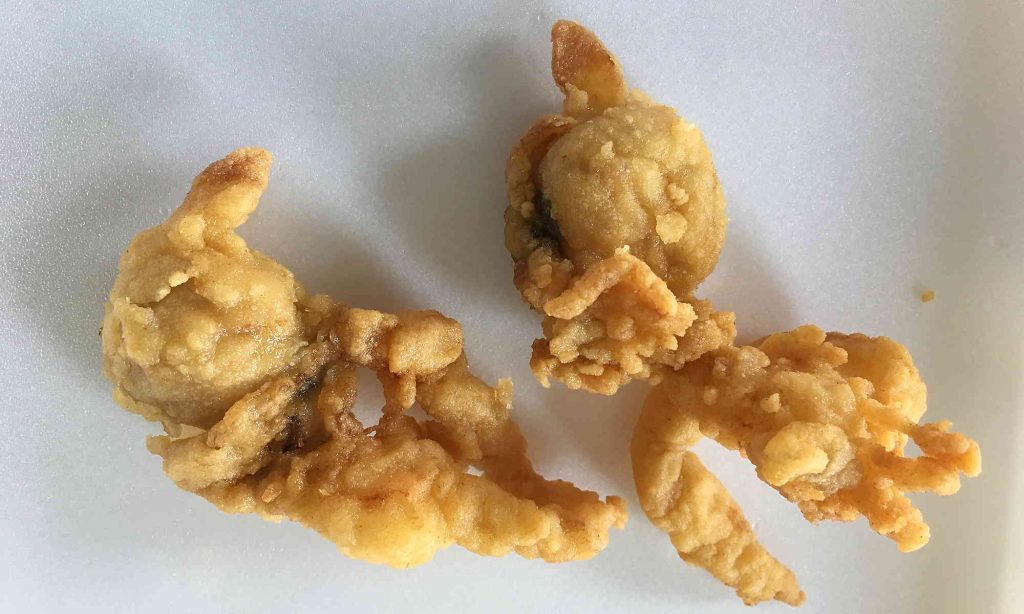
The classic New England coating is a simple, craggy one that creates maximum crunch.
• Dredge: The clams are first dredged in a mixture of all-purpose flour, cornmeal, and seasonings (salt, pepper, and often paprika or garlic powder). The cornmeal is key for that signature gritty, crunchy texture.
• Milk Bath (Optional but Common): Many recipes call for dipping the floured clams in buttermilk or evaporated milk before the final dredge. This adds flavor and helps the second layer of coating adhere, creating a thicker, more textured crust.
• Final Dredge: They are tossed one last time in the flour-cornmeal mixture.
Frying
High heat and the right oil are essential.
- Oil: A neutral oil with a high smoke point is used, such as canola, vegetable, or peanut oil.
- Temperature: The oil is heated to 350-375°F (175-190°C) .
- Method:
- Whole-Bellies: These are fried for a very short time, usually 45 to 90 seconds. They cook quickly and will explode if overcooked.
- Strips: These take slightly longer, around 2-3 minutes, until they are golden brown and float to the surface.
- Drain: The fried clams are immediately removed with a spider skimmer or slotted spoon and drained on a wire rack or paper towels to maintain crispiness.
Serving
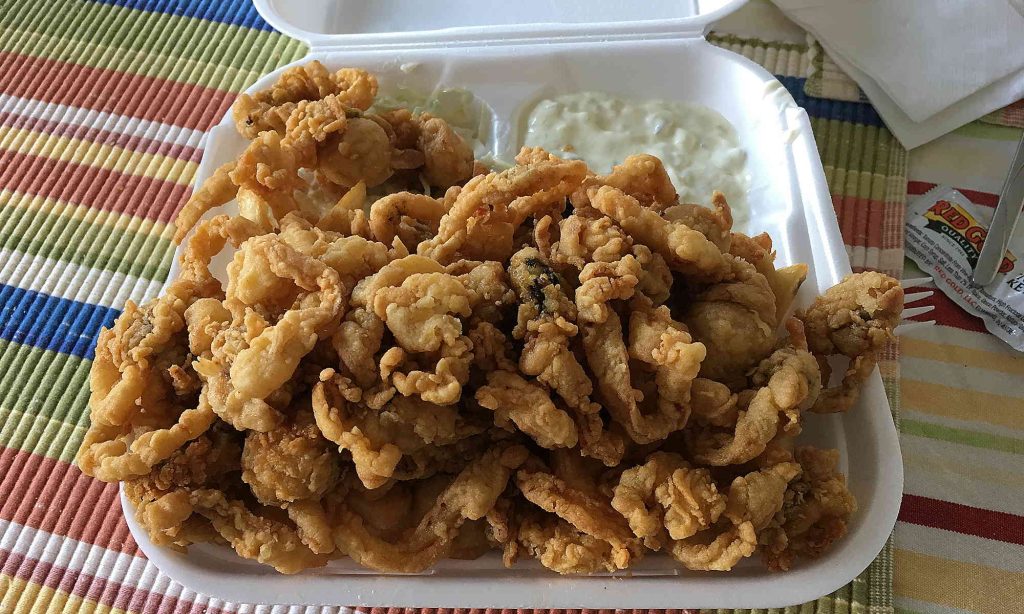
Fried clams are traditionally served immediately, piping hot.
- With: A pile of french fries and onion rings.
- Accompaniments: Tartar sauce is the classic condiment. Others include cocktail sauce, malt vinegar, and lemon wedges.
In summary, the key differences are:
| Feature | Whole-Belly Clams | Clam Strips |
| Clam Type | Soft-shell (steamers) | Hard-shell (quahogs) |
| Part Used | Entire clam | Neck (siphon only) |
| Texture | Crispy exterior, soft, briny, creamy interior | Uniform, firm, chewy, mild |
| Fry Time | Very short (45-90 sec) | Slightly longer (2-3 min) |
| Flavor | Intense “oceanic” | Sweet, mild |